What is the meaning of cable communication?
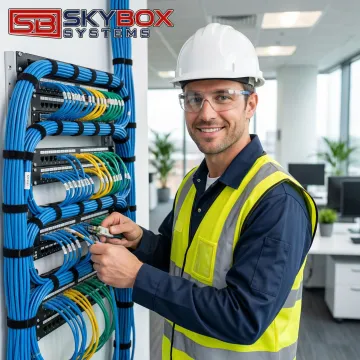
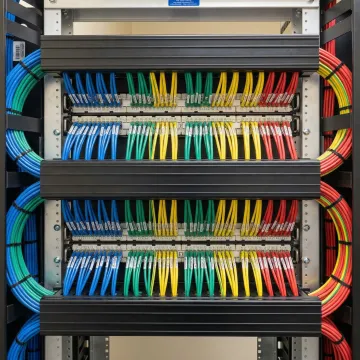
Cable communication refers to the transmission of voice, data, and video signals through physical cable infrastructure. This includes copper cabling (like Cat5e, Cat6, Cat6A) for network and telephone systems, and fiber optic cabling for high-speed data transmission. Modern cable communication systems form the backbone of business networks, supporting everything from internet connectivity and VoIP phone systems to security cameras and data center operations. Professional cable communication services ensure this infrastructure is properly designed, installed, and tested to industry standards.
How long does a typical cable communication installation take?
Installation timelines vary based on project scope. A small office with 10-20 data drops typically takes 1-2 days, while larger structured cabling projects for offices or campuses may take 1-2 weeks. Data center installations or multi-building fiber deployments can require several weeks. During your consultation, we'll provide a detailed timeline based on your specific requirements, building layout, and any coordination needed with other trades or IT teams.
What certifications should I look for in a cable installation company?
Look for technicians certified by BICSI (Building Industry Consulting Service International), manufacturer certifications like Panduit Certified Installers, and training in industry standards including NEC (National Electrical Code), TIA/EIA, and FOA (Fiber Optic Association) for fiber work. These certifications ensure installers follow best practices for cable performance, safety, and compliance. Skybox Systems maintains all these certifications to deliver installations that meet manufacturer warranties and industry requirements.
Do you provide documentation and testing for cable installations?
Yes, comprehensive documentation and certification testing are included with every installation. We provide detailed labeling, cable pathway documentation, test reports showing performance metrics, and as-built drawings. For copper cabling, we perform certification testing to verify Category specifications. Fiber installations include OTDR testing and loss measurements. This documentation is essential for future troubleshooting, maintenance, and ensuring your cabling system meets warranty requirements.
Can you work with our existing network infrastructure?
Absolutely. We regularly integrate new cabling with existing infrastructure, whether you're expanding your network, upgrading to higher-speed cabling, or modernizing legacy systems. Our team assesses your current setup, identifies compatibility requirements, and designs solutions that minimize disruption. We work with all major cabling brands and can match existing standards or recommend upgrades based on your performance needs.
What's the difference between Cat5e, Cat6, and Cat6A cabling?
Cat5e supports speeds up to 1 Gigabit and is suitable for basic network needs. Cat6 supports up to 10 Gigabit over shorter distances (55 meters) and offers better signal quality. Cat6A supports full 10 Gigabit speeds up to 100 meters and is ideal for future-proofing. We help you select the appropriate cable category based on your current needs, budget, and growth plans, ensuring you invest in infrastructure that will serve your business for years to come.
Do you handle abandoned cable removal for code compliance?
Yes, we provide abandoned cable auditing and removal services to ensure NFPA and NEC code compliance. Removing unused cables improves airflow in plenum spaces, reduces fire risk, and makes your infrastructure easier to manage. This service is especially important during office renovations, data center cleanups, or before major network upgrades. We identify, document, and safely remove abandoned cabling while preserving your active infrastructure.
What areas do you serve for cable communication services?
Skybox Systems serves businesses throughout Florida and Georgia, with offices in Jacksonville and the Atlanta Metro area. We regularly work on projects across both states, including multi-site deployments for organizations with locations throughout the region. Our regional presence allows us to provide responsive service and understand local building codes and requirements that impact cable installations.