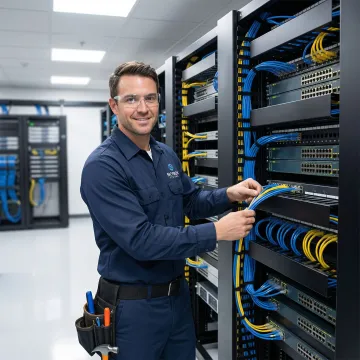
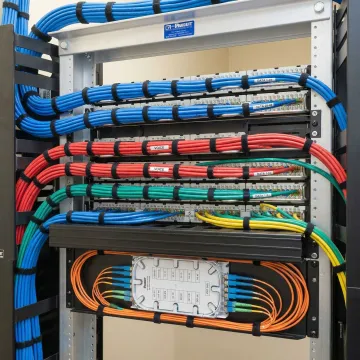
IT cabling refers to the physical infrastructure of cables and connectors that transmit data, voice, and video signals throughout a network. This includes copper cables (like Cat5e, Cat6, and Cat6A) for local network connections, fiber optic cables for high-speed backbone links, and structured cabling systems that organize these connections according to industry standards. Properly designed IT cabling provides the foundation for reliable network performance, supporting everything from internet connectivity and VoIP phones to security cameras and wireless access points.
How much does data cabling cost per point?
Data cabling costs vary based on cable type (Cat5e, Cat6, Cat6A, or fiber), installation complexity, building layout, and local code requirements. A single data point typically includes the cable run, termination at both ends, testing, and labeling. Additional factors affecting cost include distance from the communications room, accessibility of cable pathways, need for conduit or cable tray, and certification requirements. We provide detailed, transparent estimates after assessing your specific environment and requirements to ensure accurate project budgeting.
What standards do you follow for IT cabling installations?
Our BICSI-trained technicians follow TIA/EIA industry standards, National Electrical Code (NEC) requirements, and manufacturer specifications for all installations. We are Panduit-certified installers and adhere to FOA standards for fiber optic work. This ensures your cabling infrastructure is compliant, properly documented, and covered by manufacturer warranties while meeting local building codes and inspection requirements.
How long does a typical cabling installation take?
Installation timelines depend on project scope, building size, and complexity. A small office with 20-30 data points might take 2-3 days, while larger deployments or multi-floor installations require longer timeframes. We provide detailed project schedules during the planning phase and work efficiently to minimize disruption to your operations, often scheduling work during off-hours or weekends when needed.
Do you provide testing and certification for existing cabling?
Yes, we offer comprehensive network certification testing for both new and existing copper and fiber installations. Our testing validates cable performance, identifies issues, and provides documented proof of compliance with industry standards. This is especially valuable when troubleshooting network problems, planning upgrades, or verifying the work of previous installers.
Can you handle multi-site or campus-wide installations?
Absolutely. Our team has extensive experience with single-site and multi-site deployments across Florida and Georgia. We coordinate complex installations involving multiple buildings, manage logistics efficiently, and maintain consistent quality standards across all locations. Our experience supporting national contractors and global IT providers has prepared us for large-scale infrastructure projects.
What types of cables do you recommend for new installations?
For most business applications, we recommend Cat6 or Cat6A copper cabling for horizontal runs, which supports current needs and provides headroom for future bandwidth requirements. For backbone connections, data center links, or long-distance runs, fiber optic cabling (OM3, OM4, or single-mode) offers superior performance and future-proofing. We assess your specific requirements, budget, and growth plans to recommend the optimal solution.
Do you provide documentation for cabling installations?
Yes, complete documentation is a critical part of every installation. We provide detailed cable labeling, test reports, as-built drawings, and certification documentation. This makes future troubleshooting, moves, additions, and changes much easier, saving time and money over the life of your network infrastructure. Proper documentation also supports warranty claims and compliance requirements.